
Embark on a journey towards securing your retirement with the guidance of an Investment Advisor for Retirement Planning. Discover the key strategies and services that can help you achieve a financially stable future.
Investment Advisor for Retirement Planning
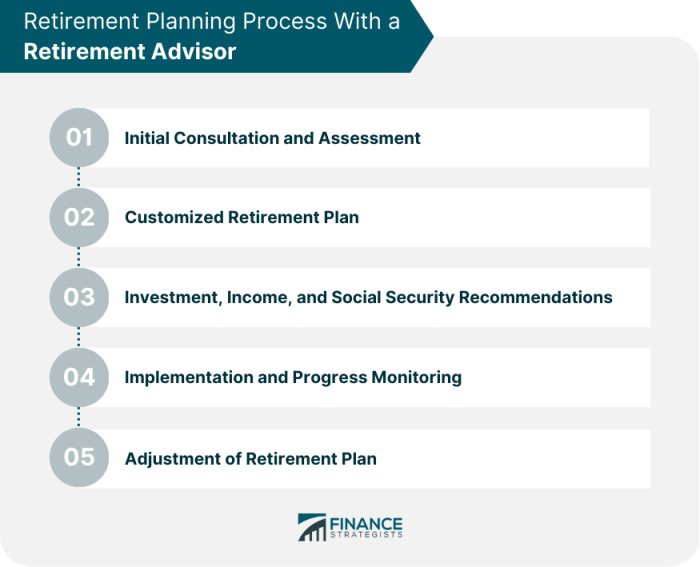
When it comes to planning for retirement, seeking the guidance of an investment advisor can be crucial in ensuring a secure financial future. An investment advisor specializes in creating personalized strategies tailored to meet individual retirement goals and needs.
Key Services Offered by Investment Advisors for Retirement Planning
- Portfolio Analysis and Management: Investment advisors assess current financial situations and create diversified investment portfolios to maximize returns while managing risks.
- Financial Goal Setting: Advisors help clients set realistic retirement goals and create a roadmap to achieve them through strategic investment planning.
- Risk Assessment and Mitigation: Advisors evaluate risk tolerance levels and implement strategies to mitigate risks associated with retirement investments.
- Retirement Income Planning: Advisors help clients plan for a steady income stream during retirement by considering various sources of income, such as pensions, Social Security, and investments.
The Importance of Seeking Professional Help in Retirement Investment Planning
Planning for retirement can be complex and overwhelming, especially with ever-changing market conditions and financial regulations. By working with an investment advisor, individuals can benefit from expert advice, tailored strategies, and ongoing monitoring to stay on track towards their retirement goals.
Common Challenges Faced by Individuals in Retirement Planning and How Investment Advisors Can Help
- Lack of Financial Knowledge: Many individuals may not have the necessary expertise to navigate the intricacies of retirement planning. Investment advisors provide education and guidance to help clients make informed decisions.
- Market Volatility: Fluctuations in the market can impact retirement savings. Investment advisors implement strategies to manage market risks and optimize returns based on individual risk tolerances.
- Longevity Risk: Outliving retirement savings is a valid concern for many. Advisors create sustainable income strategies to ensure financial security throughout retirement years.
- Healthcare Costs: Rising healthcare expenses can erode retirement savings. Advisors factor in healthcare costs and create plans to cover medical expenses without jeopardizing financial stability.
Investment Advice
Investment advice plays a crucial role in retirement planning, guiding individuals on how to allocate their financial resources to achieve their long-term goals and secure their future financial well-being.
Types of Investment Advice
- Strategic Asset Allocation: This involves determining the ideal mix of investments based on an individual’s risk tolerance, time horizon, and financial goals.
- Stock and Bond Selection: Advisors may recommend specific stocks, bonds, or mutual funds to help clients achieve their investment objectives.
- Tax-Efficient Investing: This type of advice focuses on minimizing tax liabilities through strategic investment decisions.
Personalized Investment Advice
Personalized investment advice takes into account an individual’s unique financial situation, risk tolerance, and long-term goals. By tailoring investment recommendations to meet specific needs, advisors can help clients navigate market volatility and achieve financial success.
Evolution of Investment Advice in Retirement Planning
Investment advice can evolve over different stages of retirement planning. In the early stages, advisors may focus on growth-oriented investments to maximize returns. As individuals approach retirement, the focus may shift towards income generation and capital preservation to ensure a stable income stream during retirement years.
Investment Banking
Investment banking plays a crucial role in the financial world, distinct from the services offered by investment advisors. Investment bankers primarily focus on providing financial services to corporations, governments, and other large entities, such as underwriting securities offerings, facilitating mergers and acquisitions, and offering advisory services on complex financial transactions.
Differentiation Between Investment Advisors and Investment Bankers
- Investment advisors work with individual clients to provide personalized investment advice and portfolio management, tailored to their financial goals and risk tolerance.
- On the other hand, investment bankers work on a larger scale, assisting organizations in raising capital, structuring deals, and navigating complex financial transactions.
Role of Investment Banking in Retirement Planning
Investment banking can indirectly impact retirement planning by influencing the performance of financial markets, interest rates, and overall economic conditions. A stable and thriving economy, supported by effective investment banking practices, can contribute to the growth of retirement savings and investment portfolios.
Collaboration Between Investment Bankers and Investment Advisors
- Investment bankers may provide investment advisors with insights into market trends, potential investment opportunities, and economic forecasts that can inform their recommendations to clients.
- By working together, investment bankers and investment advisors can optimize retirement portfolios by leveraging their respective expertise in financial markets and investment strategies.
Examples of Investment Banking Strategies for Retirement Planning
-
Asset Allocation:
Investment bankers can assist in designing diversified investment portfolios that align with a client’s retirement goals and risk tolerance.
-
Initial Public Offerings (IPOs):
Investment bankers can offer advice on participating in IPOs of companies with growth potential, potentially enhancing long-term retirement savings.
-
Mergers and Acquisitions:
Strategic M&A deals advised by investment bankers can impact the performance of companies within a retirement portfolio.
Investment Horizon
Investment horizon refers to the length of time an investor expects to hold an investment before needing the funds for a specific goal, such as retirement. It is a critical factor in retirement planning as it determines the appropriate investment strategy to achieve long-term financial goals.
Significance of Investment Horizon in Retirement Planning
The investment horizon plays a crucial role in retirement planning as it influences the level of risk an investor can take and the potential returns they can achieve. A longer investment horizon allows for a more aggressive investment approach, potentially leading to higher returns but also carrying higher risks. On the other hand, a shorter investment horizon may require a more conservative investment strategy to protect capital and ensure liquidity when needed during retirement.
Consideration of Investment Horizons by Investment Advisors
When creating retirement portfolios, investment advisors carefully consider their clients’ investment horizons to tailor investment strategies that align with their goals and risk tolerance. By understanding the time horizon until retirement, advisors can recommend a mix of assets that balance risk and return to maximize growth potential while safeguarding against market volatility.
Short-term and Long-term Investment Strategies
- Short-term Investment Strategies: Examples include cash equivalents, short-term bonds, and money market funds. These investments prioritize liquidity and capital preservation, making them suitable for investors with a short investment horizon nearing retirement.
- Long-term Investment Strategies: Examples include equities, real estate, and long-term bonds. These investments offer higher growth potential but come with higher volatility, making them suitable for investors with a longer investment horizon further away from retirement.
Impact of Adjusting Investment Horizon on Retirement Savings
Adjusting the investment horizon can significantly impact retirement savings and goals. For instance, extending the investment horizon allows for more aggressive growth-oriented investments, potentially leading to higher retirement savings over time. Conversely, shortening the investment horizon may require a shift to more conservative investments to protect capital and ensure financial stability during retirement.
Investment Opportunities
Investment opportunities play a crucial role in retirement planning, offering retirees a chance to grow their wealth and secure financial stability for the future. Diversification is key when considering investment opportunities, as it helps spread risk and maximize returns. By exploring a variety of investment options, retirees can build a well-rounded portfolio that aligns with their financial goals and risk tolerance.
Key Investment Opportunities for Retirement Planning
- Stock Market: Investing in individual stocks or exchange-traded funds (ETFs) can provide potential growth opportunities over time.
- Real Estate: Owning rental properties or real estate investment trusts (REITs) can offer a steady income stream and appreciation potential.
- Bonds: Fixed-income securities like bonds can provide a reliable source of income with lower risk compared to stocks.
Importance of Diversification in Retirement Investments
Diversification is essential to mitigate risk and ensure a balanced portfolio. By spreading investments across different asset classes, sectors, and geographical regions, retirees can minimize the impact of market fluctuations on their overall wealth.
High-Potential Investment Opportunities for Retirees
- Dividend-Paying Stocks: Companies that consistently pay dividends can offer retirees a source of regular income.
- Healthcare Sector: With an aging population, investing in healthcare companies can present growth opportunities.
- Technology Innovation: Emerging technologies and digital transformation can provide long-term growth potential for retirees.
Role of Investment Advisors in Capitalizing on Opportunities
- Research and Analysis: Investment advisors can conduct thorough research to identify high-potential investment opportunities tailored to each client’s needs.
- Portfolio Management: Advisors can assist in building a diversified portfolio that aligns with the client’s risk tolerance and financial goals.
- Monitoring and Adjusting: Advisors continuously monitor market trends and adjust investment strategies to capitalize on emerging opportunities and mitigate risks.
Investment Strategy
When it comes to retirement planning, having a well-thought-out investment strategy is crucial to achieving your financial goals. An effective investment strategy not only helps you grow your wealth but also protects it from unnecessary risks.
Components of a Successful Investment Strategy
Developing a successful investment strategy for retirement planning involves considering various components:
- Diversification: Spreading your investments across different asset classes can help reduce risk.
- Asset Allocation: Allocating your assets based on your risk tolerance and financial goals is key to achieving a balanced portfolio.
- Regular Rebalancing: Periodically adjusting your portfolio to maintain the desired asset allocation can help you stay on track.
Role of Risk Management
Risk management plays a crucial role in crafting an effective investment strategy. By assessing and mitigating risks associated with different investments, you can protect your portfolio from potential downturns and volatility.
Individual Risk Tolerance and Financial Goals
Investment strategies may vary based on individual risk tolerance and financial goals. Those with a higher risk tolerance may opt for more aggressive investment options, while individuals with a lower risk tolerance may prefer conservative investments.
Tips for Developing a Resilient Investment Strategy
Developing a resilient investment strategy that adapts to market changes requires careful planning and monitoring. Here are some tips to consider:
- Stay Informed: Keep yourself updated on market trends and economic indicators to make informed investment decisions.
- Stay Disciplined: Stick to your investment plan and avoid making emotional decisions based on short-term market fluctuations.
- Seek Professional Advice: Consult with a financial advisor to get personalized guidance on crafting a robust investment strategy.
In conclusion, seeking professional help from an investment advisor can make a significant difference in ensuring a comfortable retirement. Take charge of your financial future today and start planning with confidence.
Essential Questionnaire
What role does an investment advisor play in retirement planning?
An investment advisor helps individuals create personalized retirement portfolios tailored to their financial goals and risk tolerance.
How can investment advisors assist in overcoming common challenges in retirement planning?
Investment advisors can provide expert guidance in navigating market fluctuations, optimizing investment strategies, and ensuring a secure financial future.


