Embark on a journey into the world of sector-specific investment strategies, where precision and focus lead to lucrative outcomes. Discover how analyzing specific sectors can unlock hidden opportunities and drive success in your investment portfolio.
Explore the nuances of tailored strategies that set sector-specific investments apart from traditional approaches, and delve into real-world examples showcasing the power of sector-focused decision-making.
Sector-Specific Investment Strategies
Sector-specific investment strategies involve focusing on investing in specific industries or sectors of the economy rather than spreading investments across various sectors. This approach allows investors to capitalize on the growth potential and unique characteristics of a particular sector.
Importance of Sector Analysis
Sector analysis plays a crucial role in making investment decisions as it helps investors identify sectors that are likely to outperform the market. By analyzing factors such as industry trends, competitive landscape, regulatory environment, and economic conditions, investors can make informed decisions about where to allocate their capital.
Differences from General Investment Approaches
- Specialization: Sector-specific strategies involve deep knowledge and expertise in a particular industry, unlike general approaches that focus on diversification across various sectors.
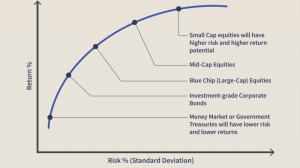
- Risk and Return Profile: Sector-specific strategies are more concentrated and therefore carry higher risk compared to general strategies. However, they also offer the potential for higher returns if the chosen sector performs well.
- Market Dynamics: Sector-specific strategies are more sensitive to changes in the specific sector’s dynamics, such as technological advancements, consumer preferences, or regulatory changes.
Examples of Successful Sector-Specific Investment Strategies
In recent years, some successful sector-specific investment strategies include:
- Technology Sector: Investing in companies involved in innovative technologies like cloud computing, artificial intelligence, and e-commerce has proven to be lucrative due to the increasing reliance on digital solutions.
- Healthcare Sector: With the aging population and advancements in medical research, investing in healthcare companies focusing on biotechnology, pharmaceuticals, and medical devices has shown strong growth potential.
- Renewable Energy Sector: The shift towards sustainable energy sources has created opportunities for investors to profit from companies involved in renewable energy production, such as solar and wind power.
Investment Advice

When it comes to making investment decisions, many individuals seek the expertise of investment advisors to help navigate the complexities of the financial markets and achieve their financial goals.
Role of an Investment Advisor
- An investment advisor plays a crucial role in guiding clients’ investment decisions by providing personalized recommendations based on their financial situation, risk tolerance, and investment objectives.
- They help clients build diversified investment portfolios, monitor market trends, and make informed decisions to optimize returns while managing risks.
- Additionally, investment advisors stay updated on market developments, economic indicators, and investment opportunities to provide timely advice to their clients.
Key Factors to Consider when Seeking Investment Advice
- Qualifications and credentials of the investment advisor
- Fee structure and transparency
- Communication style and accessibility
- Track record and performance of the advisor
Benefits of Personalized Investment Advice
- Personalized investment advice takes into account individual financial goals, risk tolerance, and time horizon, creating a tailored investment strategy.
- Investment advisors provide ongoing support and guidance, helping clients navigate market fluctuations and make informed decisions.
- They offer expertise in identifying investment opportunities and managing risks effectively, optimizing the client’s portfolio performance.
Tailoring Advice to Individual Risk Tolerance and Financial Goals
- Investment advisors assess clients’ risk tolerance through detailed discussions and risk assessment tools to align investment recommendations with their comfort level.
- By understanding clients’ financial goals, investment advisors customize strategies to help them achieve objectives such as retirement planning, wealth accumulation, or education savings.
- They continuously monitor and adjust investment portfolios based on changing financial circumstances, market conditions, and client preferences.
Investment Banking
Investment banks play a crucial role in facilitating sector-specific investment strategies by providing a range of financial services to clients looking to invest in specific sectors.
Role in Mergers, Acquisitions, and Public Offerings
Investment banks are key players in facilitating mergers, acquisitions, and public offerings within specific sectors. They help companies identify potential targets or buyers, structure deals, and negotiate terms to ensure successful transactions that benefit all parties involved.
Assisting in Raising Capital
Investment banks assist clients in raising capital for sector-specific projects through services like underwriting, where they help companies issue new securities and sell them to investors. They also provide advisory services on the best ways to structure financing to meet the capital needs of the project.
Impact on Sector-Specific Investments
The involvement of investment banks has a significant impact on sector-specific investments by providing access to capital markets, strategic advice, and expertise in deal-making. Their role in facilitating transactions and providing financial solutions can help drive growth and innovation within specific sectors.
Investment Horizon
Investment horizon refers to the length of time an investor expects to hold an investment before selling it. It plays a crucial role in sector-specific investment strategies as different sectors have varying levels of volatility and growth potential over different time frames.
Short-term versus Long-term Investment Horizons
- Short-term investment horizons typically range from a few months to a year and are more focused on market trends and immediate price movements.
- Long-term investment horizons, on the other hand, can span several years or even decades and are geared towards fundamental analysis and the long-term growth potential of a sector.
Economic Indicators Influence on Investment Horizons
- Economic indicators such as GDP growth, inflation rates, and interest rates can greatly impact investment horizons in specific sectors.
- For example, in a sector heavily influenced by interest rates like real estate, investors may have a longer investment horizon during periods of low interest rates to capitalize on property appreciation over time.
Impact of Investment Horizons on Sector-Specific Investment Outcomes
- A shorter investment horizon in a volatile sector like technology may lead to more frequent buying and selling of stocks to capitalize on short-term price movements.
- Conversely, a longer investment horizon in a stable sector like utilities may result in a more passive buy-and-hold strategy to benefit from dividends and long-term growth.
Investment Opportunities
When it comes to investing in specific sectors, identifying emerging investment opportunities is crucial for maximizing returns. By staying informed about market trends, investors can capitalize on these opportunities and potentially outperform the market.
Identifying Emerging Investment Opportunities
One way to identify emerging investment opportunities is to closely monitor sector-specific news, economic indicators, and technological advancements. Paying attention to shifts in consumer behavior and regulatory changes can also highlight potential areas for investment.
Evaluating Risks and Rewards
Before investing in sector-specific opportunities, it is essential to evaluate the potential risks and rewards. Conducting thorough research, analyzing financial statements, and assessing market conditions can help investors make informed decisions and manage their risk exposure.
Strategies for Identifying Undervalued Assets
One strategy for identifying undervalued assets in different sectors is to look for companies with strong fundamentals that are trading below their intrinsic value. This can involve analyzing key financial ratios, assessing competitive advantages, and considering growth prospects.
Investment Strategy
Investment strategy plays a crucial role in sector-specific investments by guiding investors on how to allocate their resources effectively within a particular sector. It involves a set of rules, behaviors, and procedures designed to achieve the investor’s financial goals while managing risks associated with sector-specific investments.
Types of Investment Strategies in Sector-Specific Investing
- Top-Down Approach: This strategy involves analyzing macroeconomic factors to identify sectors with growth potential before selecting specific investments within those sectors.
- Bottom-Up Approach: Contrary to the top-down approach, this strategy focuses on analyzing individual companies within a sector to find investment opportunities regardless of the sector’s overall performance.
- Momentum Investing: This strategy involves investing in sectors that have shown positive price trends in the past, assuming that those trends will continue in the future.
- Value Investing: Value investors look for undervalued securities within a sector, believing that the market has not correctly priced these assets and that their value will increase over time.
The Importance of Diversification within Sector-Specific Investment Strategies
Diversification within sector-specific investment strategies is crucial to reduce risks associated with concentrating all investments in a single sector. By spreading investments across different sectors, investors can protect themselves from sector-specific downturns and take advantage of opportunities across various industries.
Tips for Developing a Successful Sector-Specific Investment Strategy
- Conduct Thorough Research: Understand the dynamics of the sector you are investing in, including key players, market trends, and potential risks.
- Set Clear Objectives: Define your investment goals, risk tolerance, and time horizon to align your sector-specific strategy with your financial objectives.
- Monitor and Adjust: Regularly review your sector-specific investments, monitor performance, and make adjustments as needed to optimize your portfolio.
- Stay Informed: Stay updated on sector-specific news, events, and regulatory changes that may impact your investments to make informed decisions.
In conclusion, sector-specific investment strategies offer a strategic advantage in navigating the complexities of the financial market. By understanding sector dynamics and leveraging targeted approaches, investors can position themselves for long-term growth and profitability.
FAQ Overview
How do sector-specific investment strategies differ from general investment approaches?
Sector-specific strategies focus on analyzing and investing in specific industries or sectors, while general approaches involve broader investment decisions across various sectors.
What are the benefits of personalized investment advice over self-directed investing?
Personalized advice from an investment advisor takes into account individual risk tolerance and financial goals, providing tailored recommendations for optimal investment outcomes.
How can investors identify emerging investment opportunities in specific sectors?
Staying informed about market trends, conducting thorough research, and analyzing sector-specific data are key to identifying potential investment opportunities within specific sectors.