
Embark on a journey into the realm of Low-Risk Investment Opportunities, where financial stability meets lucrative gains, offering a secure path to wealth accumulation.
Delve deeper into the strategies and insights that pave the way for smart investments, ensuring a prosperous future with peace of mind.
Introduction to Low-Risk Investment Opportunities
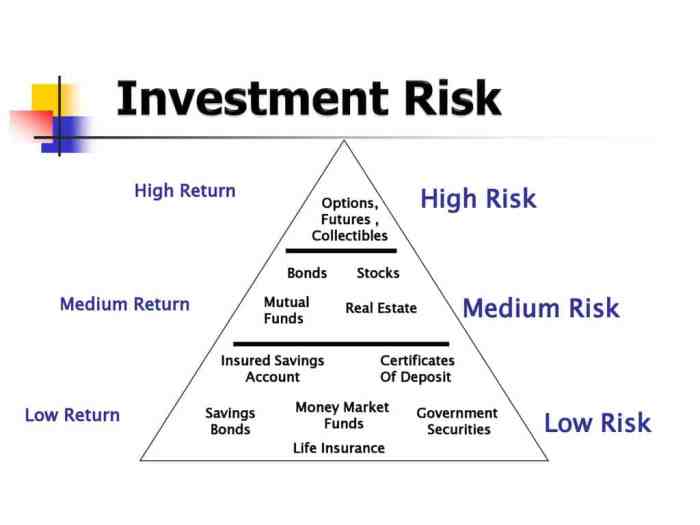
Low-risk investments play a crucial role in diversifying and balancing an investor’s portfolio. These types of investments are known for their stability and predictability, making them ideal for risk-averse individuals looking to protect their capital.
Benefits of Low-Risk Investments for Risk-Averse Investors
- Preservation of Capital: Low-risk investments prioritize the protection of the initial investment amount, ensuring that investors don’t face significant losses.
- Steady Returns: While the returns may be lower compared to high-risk investments, low-risk opportunities offer consistent and reliable earnings over time.
- Peace of Mind: The stability of low-risk investments provides peace of mind to risk-averse investors, knowing that their money is relatively safe.
Common Types of Low-Risk Investment Opportunities
There are various low-risk investment options available to investors, including:
- Savings Accounts: Offered by banks, savings accounts provide a safe place to store money and earn interest with minimal risk.
- Certificates of Deposit (CDs): CDs are time deposits with fixed interest rates and maturity dates, making them a low-risk option for investors.
- Treasury Securities: Issued by the U.S. Department of the Treasury, these securities are backed by the government and considered one of the safest investments available.
- Bond Funds: These mutual funds invest in a diversified portfolio of bonds, providing investors with a low-risk option for generating income.
Investment Advice and Advisor
When it comes to low-risk investment opportunities, seeking advice from an investment advisor can be crucial in making informed decisions. These professionals play a key role in guiding individuals towards suitable investments that align with their financial goals and risk tolerance.
Role of Investment Advisors
Investment advisors assess an individual’s risk tolerance by considering factors such as their financial situation, investment goals, and time horizon. By understanding a client’s risk appetite, advisors can recommend low-risk investment opportunities that provide a balance between potential returns and risk exposure.
- They analyze market conditions and investment options to identify low-risk opportunities.
- They provide personalized investment recommendations based on the client’s financial objectives.
- They monitor investment performance and make adjustments as needed to maintain a low-risk portfolio.
Choosing a Reputable Investment Advisor
Selecting the right investment advisor is essential for implementing successful low-risk investment strategies. Consider the following tips when choosing a reputable advisor:
- Look for advisors with relevant certifications and qualifications, such as Certified Financial Planners (CFP) or Chartered Financial Analysts (CFA).
- Ask for referrals from trusted sources, such as friends, family, or colleagues who have had positive experiences with their advisors.
- Meet with potential advisors to discuss their investment philosophy, fees, and communication style to ensure they align with your preferences.
- Evaluate the advisor’s track record and performance in managing low-risk investments to gauge their expertise in this area.
Investment Banking and Low-Risk Investments
Investment banking plays a crucial role in providing clients with access to low-risk investment opportunities. These financial institutions help individuals and organizations navigate the complex world of investments while minimizing risk.
The Role of Investment Banks
Investment banks act as intermediaries between investors and various investment opportunities. They offer a wide range of financial products, including bonds, treasury bills, and other low-risk instruments, to help clients achieve their investment goals.
- Investment banks provide expert advice on low-risk investment strategies, taking into account the client’s risk tolerance and financial objectives.
- They have access to a diverse portfolio of low-risk investment products, allowing clients to diversify their holdings and reduce overall risk.
- Investment banks also facilitate the buying and selling of low-risk securities, ensuring a seamless and efficient investment process for their clients.
Advantages of Using Investment Banking Services
Investors benefit from using investment banking services for low-risk investment strategies due to the following reasons:
- Expertise: Investment banks have a team of experienced professionals who can provide tailored advice and recommendations based on the client’s financial goals.
- Access to Opportunities: Investment banks have access to exclusive low-risk investment products that may not be available to individual investors, allowing clients to capitalize on unique opportunities.
- Risk Management: Investment banks help clients manage risk by offering diversified portfolios and monitoring market trends to make informed investment decisions.
Investment Horizon and Low-Risk Investments
Investment horizon refers to the length of time an investor is willing to hold an investment before needing the funds back. It is a crucial factor in selecting low-risk investment opportunities as it determines the level of risk an investor can tolerate and the appropriate investment vehicles to consider.
Significance of Investment Horizon in Selecting Low-Risk Investments
- Short-term investment horizons may limit the options for low-risk investments as certain securities may be more volatile in the short term.
- Long-term investment horizons allow investors to consider low-risk options such as bonds, index funds, and dividend-paying stocks that offer stable returns over time.
- Understanding your investment horizon helps in choosing investments that match your financial goals and risk tolerance.
Influence of Investment Horizon on Choice of Low-Risk Investments
- For short-term horizons, investors may opt for low-risk options like savings accounts, certificates of deposit (CDs), or short-term bonds to preserve capital.
- Long-term horizons open up opportunities for low-risk investments like diversified mutual funds or ETFs that provide steady growth potential over an extended period.
- Adjusting your investment horizon based on life events or financial goals can impact the types of low-risk investments you choose.
Strategies for Aligning Investment Horizons with Low-Risk Investment Options
- Regularly review and reassess your investment horizon to ensure it aligns with your financial objectives and risk tolerance.
- Consider a mix of low-risk investments with varying maturities to match different investment horizons and achieve a balanced portfolio.
- Consult with a financial advisor to help determine the most suitable low-risk investments based on your investment horizon and financial goals.
Investment Opportunities for Low-Risk Investments
When considering low-risk investment opportunities, it’s essential to explore various sectors and industries that offer stability and consistent returns over time. By diversifying your portfolio with specific investment vehicles like bonds, index funds, and treasury securities, you can minimize risk while still achieving your financial goals. Here, we will delve into different sectors, investment vehicles, and considerations for selecting appropriate low-risk investment opportunities.
Sectors Offering Low-Risk Investment Opportunities
Some sectors that typically provide low-risk investment opportunities include:
- Utilities: Companies providing essential services like electricity and water often have stable cash flows and lower volatility.
- Consumer Staples: Businesses selling everyday necessities like food and household products tend to be less affected by economic downturns.
- Healthcare: The healthcare sector is known for its defensive nature, as demand for healthcare services remains relatively constant regardless of economic conditions.
Specific Investment Vehicles for Low-Risk Options
When aiming for low-risk investments, consider the following investment vehicles:
- Bonds: Fixed-income securities issued by governments or corporations, offering regular interest payments and return of principal at maturity.
- Index Funds: Mutual funds or exchange-traded funds (ETFs) that track a specific market index, providing diversification and stability.
- Treasury Securities: Issued by the U.S. government, these securities are considered extremely low-risk due to the government’s backing.
Considerations for Selecting Low-Risk Investment Opportunities
When evaluating low-risk investment opportunities, it’s crucial to consider:
- The risk tolerance and investment goals of the individual investor.
- The historical performance and stability of the investment option.
- The current economic environment and potential impact on the chosen sector or industry.
- The diversification benefits and correlation with other investments in the portfolio.
Investment Strategy for Low-Risk Investments
When considering low-risk investments, it is essential to have a well-thought-out investment strategy in place to maximize returns while minimizing potential losses. Key components of a successful low-risk investment strategy include diversification, asset allocation, and risk management.
Diversification
Diversification involves spreading your investments across different asset classes, industries, and geographic regions. By not putting all your eggs in one basket, you can reduce the impact of a single investment underperforming. This helps to lower overall risk in your portfolio.
Asset Allocation
Asset allocation is the process of dividing your investment portfolio among different asset classes such as stocks, bonds, and cash equivalents based on your risk tolerance, financial goals, and time horizon. A well-balanced asset allocation can help you achieve a mix of growth and stability in your investments.
Risk Management
Risk management involves assessing and mitigating potential risks associated with your investments. This can include setting stop-loss orders, monitoring market conditions, and staying informed about economic trends. By actively managing risk, you can protect your investments from significant downturns.
Tips for Creating a Personalized Investment Strategy
- Define your financial goals and risk tolerance before crafting your investment strategy.
- Consider working with a financial advisor to help you develop a tailored investment plan.
- Regularly review and adjust your investment strategy based on changing market conditions and personal circumstances.
As we conclude our exploration of Low-Risk Investment Opportunities, remember that the key to financial success lies in prudent decision-making and calculated risk management. By embracing these principles, you pave the way for a stable and prosperous financial future.
Question Bank
What are the key benefits of low-risk investments?
Low-risk investments provide stability, security, and steady returns over time, making them ideal for risk-averse investors looking to grow their wealth gradually.
How can I assess my risk tolerance for low-risk investments?
Consulting with a financial advisor can help you evaluate your risk tolerance through a series of questions and assessments to determine the most suitable low-risk investment options for your financial goals.
Are treasury securities a good option for low-risk investments?
Yes, treasury securities are considered one of the safest investment options due to being backed by the government, making them a popular choice for investors seeking minimal risk.
How important is asset allocation in a low-risk investment strategy?
Asset allocation plays a crucial role in diversifying your investments and reducing overall risk, ensuring a balanced portfolio that can weather market fluctuations.
What sectors or industries typically offer low-risk investment opportunities?
Sectors such as utilities, healthcare, and consumer staples are known for providing stable and low-risk investment options due to their resilient nature even during economic downturns.


