Beginning with Impact of Investment Horizon on Portfolio Diversification, the narrative unfolds in a compelling and distinctive manner, drawing readers into a story that promises to be both engaging and uniquely memorable.
Understanding how investment horizon affects portfolio diversification is key to maximizing returns and managing risk effectively. This comprehensive guide delves into the intricate relationship between the two factors, offering valuable insights for investors of all levels.
Introduction to Investment Horizon and Portfolio Diversification
Investment horizon refers to the length of time an investor expects to hold an investment before selling it for a profit. On the other hand, portfolio diversification involves spreading investments across various asset classes to reduce risk and optimize returns.Understanding the impact of investment horizon on portfolio diversification is crucial because it directly affects the risk-return profile of an investment portfolio.
The investment horizon determines how long an investor can hold onto their investments, influencing the level of risk they can afford to take and the potential returns they can achieve.
Relationship between Investment Horizon and Portfolio Diversification
- Short-Term Horizon: Investors with a short-term horizon may focus more on liquid assets like stocks and bonds to capitalize on short-term market movements. Diversification in this case may involve holding a mix of assets that can be easily traded.
- Long-Term Horizon: Investors with a long-term horizon have the flexibility to include less liquid assets like real estate or alternative investments in their portfolio. Diversification for long-term investors can involve a mix of traditional and alternative assets to balance risk and return over an extended period.
- Risk Tolerance: The investment horizon also influences an investor’s risk tolerance. Longer investment horizons may allow for a higher risk tolerance, enabling investors to include riskier assets in their portfolio for potentially higher returns.
- Rebalancing: The relationship between investment horizon and portfolio diversification also impacts the need for portfolio rebalancing. Short-term investors may need to rebalance more frequently to adjust to market changes, while long-term investors can maintain a more stable asset allocation over time.
Importance of Investment Horizon in Portfolio Diversification
The investment horizon plays a crucial role in portfolio diversification as it determines the time frame over which an investor holds assets. Different investment horizons can significantly impact the level of diversification within a portfolio, affecting risk exposure and potential returns.
Short-Term vs. Long-Term Investment Horizons
Short-term investment horizons typically refer to holding assets for a period of less than one year. Investors with short-term horizons are more focused on capital preservation and immediate gains, often engaging in more speculative or volatile investments. In this case, diversification may involve spreading investments across different asset classes to mitigate short-term market fluctuations.On the other hand, long-term investment horizons extend beyond one year and can range from several years to decades.
Investors with long-term horizons aim for wealth accumulation and growth over time, focusing on stable returns and compounding gains. Diversification for long-term investors usually involves a broader mix of assets to reduce overall portfolio risk and capture growth opportunities across various market cycles.
Aligning Investment Horizons with Diversification Goals
Investors can align their investment horizons with diversification goals by considering their risk tolerance, financial objectives, and time horizon. For instance, an investor with a short-term horizon may prioritize diversification to manage immediate market risks and achieve liquidity, while a long-term investor may focus on diversification to optimize returns and preserve wealth over time.By understanding the impact of investment horizon on portfolio diversification, investors can tailor their asset allocation strategies to meet their specific financial goals and risk preferences effectively.
Strategies for Diversifying Portfolios based on Investment Horizon
Investors use different strategies to diversify their portfolios based on their investment horizon. These strategies are tailored to the specific needs and goals of short-term and long-term investors, taking into account their risk tolerance and time horizon.
Short-Term Investment Horizon
- Short-term investors often focus on liquidity and capital preservation. They may diversify their portfolio by investing in money market funds, short-term bonds, and other low-risk assets.
- Asset allocation is crucial for short-term investors to manage risk effectively. They may consider diversifying across different sectors or industries to reduce concentration risk.
- Short-term investors may also use hedging strategies such as options or futures to protect their portfolio from market volatility.
Long-Term Investment Horizon
- Long-term investors have a greater tolerance for risk and can afford to invest in a more diversified portfolio. They may include a mix of stocks, bonds, real estate, and alternative investments to achieve long-term growth.
- Asset allocation plays a vital role in long-term portfolio diversification. Investors may allocate a higher percentage of their portfolio to equities for long-term capital appreciation.
- Long-term investors may also consider periodic rebalancing to maintain their desired asset allocation and risk profile over time.
Risk Tolerance and Diversification
- Investors’ risk tolerance influences their diversification strategies based on their investment horizon. Those with a lower risk tolerance may opt for a more conservative portfolio with a higher allocation to fixed-income securities.
- Conversely, investors with a higher risk tolerance may choose a more aggressive portfolio with a greater emphasis on equities and other growth-oriented assets.
- Understanding risk tolerance is essential for determining the appropriate level of diversification to achieve a balance between risk and return based on the investor’s investment horizon.
Factors Influencing Portfolio Diversification across Investment Horizons
When considering portfolio diversification across different investment horizons, several key factors come into play. These factors can significantly impact the effectiveness of diversification strategies and the overall risk-return profile of the portfolio.
Market Conditions Impact on Portfolio Diversification
Market conditions play a crucial role in determining the success of portfolio diversification strategies across various investment horizons. During periods of high market volatility, correlations between different asset classes may increase, reducing the effectiveness of traditional diversification approaches. In contrast, stable market conditions may allow for more efficient diversification, leading to a better risk-adjusted return profile for the portfolio.
Role of Asset Allocation in Diversification
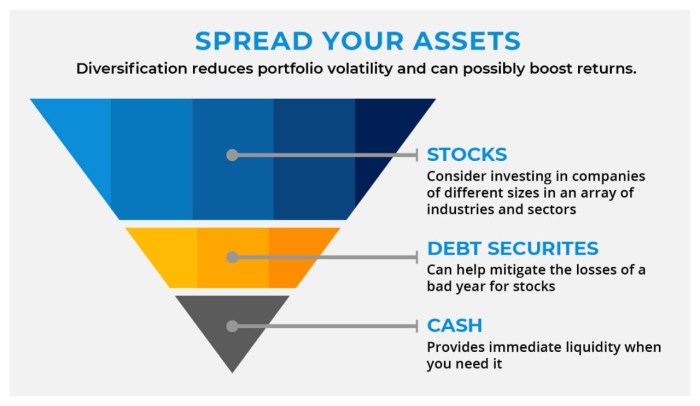
Asset allocation is a fundamental factor that influences portfolio diversification across different investment horizons. By spreading investments across a mix of asset classes, such as stocks, bonds, and real estate, investors can reduce the overall risk exposure of their portfolios. The allocation of assets based on investment horizon helps in balancing risk and return objectives, ensuring that the portfolio aligns with the investor’s financial goals and risk tolerance.
Case Studies on the Impact of Investment Horizon on Portfolio Diversification

Investment horizons play a crucial role in determining the diversification outcomes of portfolios. Real-life case studies provide valuable insights into how different investment horizons can influence portfolio performance and risk management strategies.
Case Study 1: Short-Term vs. Long-Term Investment Horizons
In this case study, we examine two portfolios—one designed for short-term gains and the other for long-term growth. The short-term portfolio consists of high-risk, high-return assets such as stocks, while the long-term portfolio includes a mix of stocks, bonds, and real estate investment trusts (REITs).
- The short-term portfolio experiences higher volatility due to its focus on high-risk assets, leading to potential short-term gains but also increased risk of losses.
- Conversely, the long-term portfolio demonstrates more stable growth over time, with a diversified mix of assets providing a buffer against market fluctuations.
- Lessons Learned: Diversifying a portfolio based on investment horizon helps manage risk and optimize returns, highlighting the importance of aligning investment strategies with specific time horizons.
Case Study 2: Impact of Economic Cycles on Portfolio Diversification
In this case study, we explore how different investment horizons can affect portfolio diversification during economic cycles. We analyze two portfolios—one focused on defensive assets like bonds and gold, and the other on cyclical assets such as equities and commodities.
- During economic downturns, the defensive portfolio outperforms the cyclical portfolio, as investors flock to safe-haven assets to protect their investments.
- Conversely, in times of economic expansion, the cyclical portfolio experiences higher returns due to the growth potential of equities and commodities.
- Lessons Learned: Adapting portfolio diversification strategies based on prevailing economic conditions can help investors navigate market volatility and capitalize on opportunities presented by different phases of the economic cycle.
Investment Advice and Strategies
Investing can be a complex endeavor, but with the right strategies and advice, investors can navigate the world of portfolio diversification and investment horizons more effectively.
Adjusting Strategies based on Investment Horizons
- For short-term investment horizons, focus on more liquid assets to capitalize on quick movements in the market.
- Long-term investment horizons allow for a more aggressive approach, with a greater emphasis on growth stocks and higher-risk investments.
- Consider a balanced approach for medium-term horizons, combining both growth and income-producing assets for stability and growth.
Role of Professional Investment Advisors
- Professional investment advisors can provide valuable insights into market trends and help investors tailor their portfolios to their specific investment horizons.
- They can offer guidance on diversification strategies, risk management, and asset allocation to ensure a well-rounded investment approach.
- By working with a professional advisor, investors can benefit from expertise and experience in navigating the complexities of the financial markets.
Investment Opportunities and Challenges
Investing in a well-diversified portfolio based on investment horizon can offer various opportunities while also presenting challenges for investors. Let’s explore these in detail.
Investment Opportunities
Having a diversified portfolio based on investment horizon can provide investors with the following opportunities:
- Access to a wide range of asset classes and markets, allowing for potential higher returns.
- Reduced risk through spreading investments across different sectors, regions, and time frames.
- Ability to capitalize on market trends and opportunities in specific industries or regions.
- Enhanced portfolio stability and resilience in the face of market fluctuations.
Challenges of Portfolio Diversification
While diversifying portfolios across different investment horizons can be beneficial, investors may encounter the following challenges:
- Complexity in managing a diverse range of assets and strategies, requiring expertise and time commitment.
- Difficulty in achieving optimal allocation and rebalancing due to changing market conditions and economic factors.
- Potential for overlapping investments or exposure to correlated risks despite diversification efforts.
- Risk of underperformance in certain assets or sectors compared to concentrated investments in high-performing areas.
Impact of Global Economic Trends
The global economic landscape plays a significant role in shaping investment opportunities related to different investment horizons. Investors may experience:
- Shifts in market dynamics influenced by geopolitical events, trade policies, and economic indicators.
- Emergence of new investment trends driven by technological advancements, consumer behavior, and regulatory changes.
- Opportunities in emerging markets or sectors experiencing growth due to changing global demand and supply patterns.
- Risks associated with currency fluctuations, inflation rates, and interest rate changes impacting investment returns across various horizons.
In conclusion, the impact of investment horizon on portfolio diversification is a critical aspect of successful investing. By aligning investment horizons with diversification goals, investors can enhance their portfolios’ performance and resilience in various market conditions. This discussion serves as a valuable resource for those looking to optimize their investment strategies and achieve long-term financial objectives.
Questions Often Asked
How does investment horizon impact portfolio diversification?
The investment horizon determines the timeframe for investment goals, influencing the diversification strategy to balance risks and returns accordingly.
Can short-term and long-term investment horizons affect diversification differently?
Yes, short-term horizons may focus on immediate gains while long-term horizons seek sustained growth, leading to varied diversification approaches.
What role does risk tolerance play in diversification strategies based on investment horizon?
Risk tolerance guides investors in selecting appropriate diversification strategies that align with their comfort level in bearing market fluctuations.
How do market conditions impact portfolio diversification strategies?
Changing market conditions can influence the effectiveness of diversification strategies, requiring adjustments to maintain portfolio stability.
Why is asset allocation crucial in diversification across different investment horizons?
Asset allocation determines the mix of investments in a portfolio, playing a vital role in diversification to minimize risks and optimize returns based on investment horizons.


