Embark on a journey into the world of Expert Investment Advice, where informed decisions pave the way to financial success. This insightful exploration highlights the crucial role of seeking expert guidance in navigating the complex realm of investments.
Expert Investment Advice
Seeking expert investment advice is crucial for maximizing returns and minimizing risks in the financial market. Professionals in the field possess the knowledge and experience to navigate complex investment landscapes, tailor strategies to individual goals, and adapt to changing market conditions.
Benefits of Expert vs. DIY Investment Strategies
When comparing expert advice to do-it-yourself (DIY) approaches, several key advantages become apparent:
- Expertise: Investment advisors have in-depth knowledge of financial markets, investment products, and strategies that DIY investors may lack.
- Personalized guidance: Professionals can customize investment plans based on individual risk tolerance, financial goals, and time horizon.
- Risk management: Experts can help mitigate risks through diversification, asset allocation, and ongoing portfolio monitoring.
- Market insights: Professionals have access to research, market trends, and economic indicators that DIY investors may not have access to.
Situations where Expert Advice Matters
Expert advice can make a significant difference in investment outcomes in various scenarios:
- Retirement planning: Professionals can help individuals create a retirement savings plan that aligns with their lifestyle goals and income needs.
- Tax-efficient investing: Experts can provide strategies to minimize tax liabilities and maximize after-tax returns on investments.
- Market volatility: During turbulent market conditions, advisors can offer guidance on maintaining a long-term perspective and avoiding emotional decision-making.
- Estate planning: Professionals can assist in creating a comprehensive estate plan that ensures wealth preservation and smooth wealth transfer to beneficiaries.
Investment Advisor
Investment advisors play a crucial role in providing personalized investment guidance to individuals based on their financial goals, risk tolerance, and investment timelines.
Qualifications and Certifications
When choosing an investment advisor, investors should look for qualifications and certifications that demonstrate expertise in the field. Some key certifications to consider include:
- Certified Financial Planner (CFP)
- Chartered Financial Analyst (CFA)
- Registered Investment Advisor (RIA)
Choosing the Right Advisor
When selecting the right investment advisor, it is important to consider the following tips based on individual financial goals:
- Define your financial goals and investment objectives clearly.
- Research and compare different advisors to find one that aligns with your investment philosophy.
- Check the advisor’s track record and client testimonials for credibility.
- Ensure the advisor communicates clearly and regularly about your investments.
- Understand the fee structure and how the advisor is compensated to avoid conflicts of interest.
Investment Banking
Investment banking plays a crucial role in the financial industry by providing a range of services to corporations, governments, and other entities looking to raise capital or engage in financial transactions.
Key Functions of Investment Banking
- Underwriting: Investment banks help companies issue new securities by buying them from the issuer and then selling them to investors.
- Mergers and Acquisitions (M&A): Investment banks advise companies on buying, selling, or merging with other companies to help them achieve their strategic goals.
- Corporate Finance: Investment banks assist companies in raising capital through debt or equity offerings, as well as providing financial advisory services.
- Asset Management: Some investment banks offer asset management services to help clients manage their investment portfolios.
Services Offered by Investment Banks
- Initial Public Offerings (IPOs): Investment banks help companies go public by underwriting their IPOs and facilitating the listing of their shares on stock exchanges.
- Debt and Equity Offerings: Investment banks assist companies in issuing bonds, stocks, or other securities to raise capital for various purposes.
- Financial Advisory: Investment banks provide advice on mergers, acquisitions, divestitures, and other strategic transactions to help clients achieve their business objectives.
- Risk Management: Investment banks offer risk management solutions to help clients hedge against market risks and protect their investments.
Importance of Investment Banking
Investment banking plays a vital role in facilitating capital raising and corporate transactions by connecting companies with investors, providing financial expertise, and structuring deals to meet the needs of both parties. Without investment banks, many businesses would struggle to access the capital they need to grow and expand, making them essential players in the global financial system.
Investment Horizon

Investment horizon refers to the length of time an investor expects to hold an investment before selling it for a profit. It plays a crucial role in determining investment decisions and strategies.
Short-Term Goals
Short-term investment horizons typically range from a few months to a year. Investors with short-term goals are looking to make quick profits or need access to their funds in the near future. Examples of short-term investments include savings accounts, certificates of deposit, and short-term bonds.
Medium-Term Goals
Medium-term investment horizons usually span from one to five years. Investors with medium-term goals may be saving for a down payment on a house or planning for a child’s education. Examples of medium-term investments include balanced mutual funds, real estate, and corporate bonds.
Long-Term Goals
Long-term investment horizons extend beyond five years and are often focused on retirement savings or building wealth over time. Investors with long-term goals can afford to take more risks and ride out market fluctuations. Examples of long-term investments include stocks, equity mutual funds, and retirement accounts.Investment horizons significantly influence an individual’s risk tolerance and the diversification of their investment portfolio.
Short-term investors typically have lower risk tolerance and may opt for safer, more liquid investments. On the other hand, long-term investors can afford to take on more risk and diversify their portfolio with a mix of asset classes to potentially maximize returns over time.
Investment Opportunities
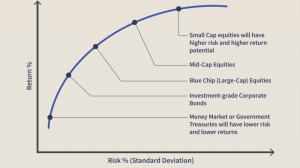
When considering investment opportunities, it is crucial to evaluate various factors such as risk, return, and liquidity. By understanding these elements, investors can make informed decisions to maximize their investment potential.
Types of Investment Opportunities
- Stocks: Investing in individual companies through shares of stock.
- Bonds: Loaning money to governments or corporations in exchange for periodic interest payments.
- Real Estate: Buying properties to generate rental income or capital appreciation.
- Mutual Funds: Pooling funds with other investors to invest in a diversified portfolio managed by professionals.
Factors to Consider
- Risk: Assess the level of risk associated with each investment opportunity and determine if it aligns with your risk tolerance.
- Return: Evaluate the potential returns of an investment and compare them to the associated risks to determine if it is worth pursuing.
- Liquidity: Consider how easily an investment can be converted into cash without significantly impacting its value.
Strategies for Capitalizing on Opportunities
- Diversification: Spread investments across different asset classes to reduce risk and enhance returns.
- Market Research: Stay informed about market trends and industry developments to identify emerging opportunities.
- Long-Term Perspective: Focus on long-term growth potential rather than short-term fluctuations to maximize returns.
Investment Strategy
Having a well-defined investment strategy is crucial for achieving financial goals and managing risks effectively in the world of investing. It provides a roadmap for making informed decisions, maximizing returns, and minimizing losses over time.
Types of Investment Strategies
- Growth Investing: This strategy focuses on investing in companies that are expected to grow at a faster rate than the overall market. Investors seek capital appreciation by investing in growth-oriented companies with high growth potential.
- Value Investing: Value investors look for opportunities to invest in undervalued companies trading below their intrinsic value. The goal is to buy these stocks at a discount and wait for the market to realize their true worth, leading to potential capital appreciation.
- Income Investing: Income investors prioritize generating a steady stream of income through investments such as dividend-paying stocks, bonds, or real estate investment trusts (REITs). The focus is on receiving regular income payments rather than capital appreciation.
Creating a Diversified Investment Portfolio
It’s essential to align your investment portfolio with a specific investment strategy to achieve your financial objectives effectively. Here are some tips for creating a diversified portfolio:
- Understand your risk tolerance and investment goals before selecting a strategy.
- Diversify across asset classes, industries, and geographical regions to reduce risk and increase potential returns.
- Regularly review and rebalance your portfolio to ensure alignment with your chosen investment strategy.
- Consider seeking professional advice from a financial advisor to tailor your portfolio to your unique financial situation.
In conclusion, Expert Investment Advice serves as a beacon of light in the realm of financial decision-making, guiding individuals towards prosperous and secure futures. By heeding the wisdom of seasoned experts, investors can unlock the door to a world of lucrative opportunities and sustainable growth.
Top FAQs
Why is seeking expert investment advice important?
Expert advice can provide valuable insights, personalized strategies, and help mitigate risks in the complex world of investments.
How do I choose the right investment advisor?
Look for qualifications, certifications, track record, and a personalized approach that aligns with your financial goals.
What are the different types of investment opportunities?
Investment opportunities vary from stocks and bonds to real estate and alternative investments, each with unique risk and return profiles.
How does investment horizon impact investment decisions?
Understanding your investment horizon helps determine risk tolerance, diversification strategies, and aligning investments with your financial goals.